Strong Tribal partnerships in philanthropy start with trust, respect for Tribal sovereignty, and support for work already happening in rural places. Aspen Community Strategies Group’s Erin Cahill and Alliance for Social Trust’s Oprah Cunningham sit down with Olivia Sloan to explore what that looks like in practice.
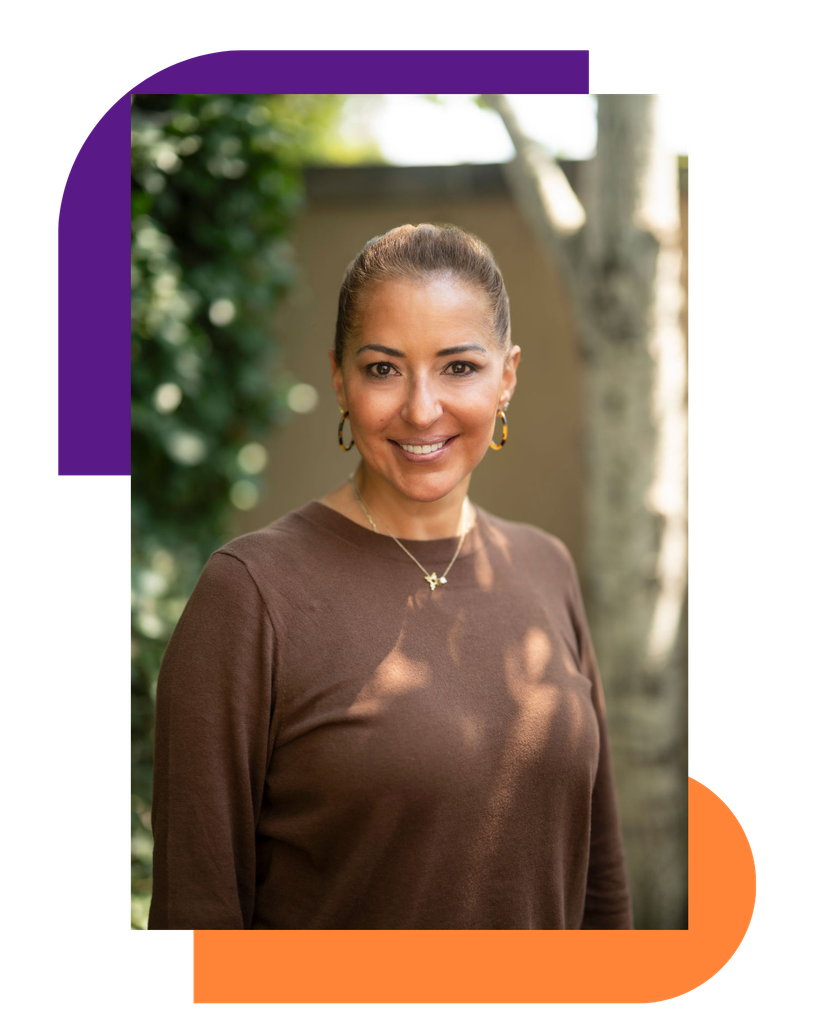
Olivia Sloan is Vice President of Native Health Partnerships at Anchorum Health Foundation, which serves 13 northern New Mexico counties along with all of the state’s Tribes, Nations, and Pueblos.
Olivia is Diné and Tohono O’odham, grew up in Santa Fe, and is the granddaughter of Arthur Hubbard Sr., a Navajo Code Talker and the first Native American to serve in the Arizona State Senate. Her work with Indigenous communities has spanned Alaska, Arizona, and Washington, DC, collaborating with Tribes nationally and internationally on policy, research, and public health.
Her work has expanded the foundation’s commitment to Indian Country, recognizing that Native communities are not only rural communities; they also require distinct philanthropic strategies rooted in sovereignty, community voice, and Native leadership. The strategy combines grantmaking and impact investing to strengthen Native-led solutions and create lasting conditions for health and well-being.
Tribal Partnerships and Regional Collaboration in Philanthropy
What has Anchorum learned about the role of Tribal partnerships and regional collaboration in advancing its philanthropic goals? How has this approach shaped the foundation’s impact and success?
Anchorum is more than a funder; we are members of the communities we are honored to serve, working together to create meaningful change while upholding Tribal sovereignty. Our approach extends beyond philanthropy to regional collaboration that helps communities access resources and funding opportunities often hindered by complex processes. Regional collaboration has brought partners together, maximized shared resources, and created collective solutions no single organization could achieve alone.
Our work is grounded in trust, long-standing personal and professional relationships, and a commitment to listening and collaborating in culturally meaningful ways. We partner with Tribes and communities to address the social determinants of health that affect our people beyond hospital walls. By consistently showing up, honoring lived experiences, and creating space for honest dialogue, we build authentic partnerships rooted in respect and shaped by community-identified needs – not predetermined solutions.
How Non-Tribal Partners Can Build Respectful Relationships
What have you learned about how non-Tribal partners can build strong, respectful relationships with Tribal communities, and what strengths and assets are important for them to recognize and support?
While we strive to strengthen regional collaboration, we recognize that every Tribe, Nation, and Pueblo is unique, with its own history, culture, governance, and priorities. We must honor each community’s sovereignty, strengths, and knowledge, recognizing that philanthropy has as much to learn as it has to offer.
Regional collaboration can help partners share resources, learn from one another, and address challenges that cross geographic boundaries – but never at the expense of understanding and respecting each Tribe individually. It begins with curiosity, recognizing existing strengths, and building on the wisdom of Tribal communities.
When I began this work, the trust of our leadership and Board made a meaningful difference. They were willing to listen, learn alongside me, and recognize that community needs cannot be fully understood through data and reports alone. Meaningful insight comes from direct engagement, authentic relationships, and a willingness to trust the process over time.
One of the most important lessons I’ve learned is that leadership means creating space to listen to what we don’t yet know. Often, the most meaningful work begins when we engage deeply enough with communities to discover what we still need to understand.
What Meaningful Trust-Building Looks Like
What does meaningful trust-building look like in partnership with Tribal communities, and how does honoring Tribal sovereignty help create the foundation for strong, lasting relationships?
Meaningful trust-building begins with honoring Tribal sovereignty and recognizing that every Tribe has its own history, identity, and priorities. We must honor the land, the people, and the stories and sacrifices that have shaped our communities. While each Tribe is unique, our health, well-being, and future are interconnected. Strong partnerships honor both our differences and our shared responsibility to one another.
For me, trust and respect are personal. They are demonstrated through listening, honoring lived experiences, building authentic relationships, and consistently showing up – not just in words, but through action. My grandfather taught me that relationships matter and to never stop learning. I carry that lesson into this work: lasting partnerships begin with humility, grow through trust, and endure when we respect Tribal sovereignty and remain willing to listen and learn.
Honoring Tribal Sovereignty in Practice
Can you share an example of how honoring Tribal sovereignty shaped a foundation’s approach to a grant, investment, or partnership? How did that approach influence the development of trust and the strength of the relationship over time?
We center Tribal sovereignty by engaging directly with Tribes, Tribal government-authorized partners, and Native-led organizations to ensure authentic investments. We do our due diligence to ensure the right partners are involved, and investments reflect community priorities. Honoring Tribal data sovereignty is central to this approach, which is why we don’t share specific examples. Instead, we prioritize trust, respect, and accountability in how we build partnerships and invest in communities. Trust deepens when partners see that their voices are honored not just in principle, but in how decisions are made, and relationships are sustained.
Combining Grantmaking and Impact Investing
How can the distinct approach to partnerships that Anchorum has built create opportunities that traditional approaches may not?
Combining grantmaking and impact investing allows us to approach partnerships more flexibly and respond to a broader range of community priorities. Traditional philanthropy is important, but it is not the only tool for creating change. Grants can support community-led solutions, build capacity, and address immediate needs, while impact investments can help grow sustainable, long-term economic and health opportunities.
Together, these approaches allow us to look beyond individual projects toward systemic change, leverage additional resources, and support solutions that communities identify for themselves.
What Builds and Erodes Trust
What are some of the key factors that build or erode trust in relationships and partnerships with Tribal communities?
Trust can be lost when people feel unheard, when decisions are made without Tribal input, or when organizations come with predetermined solutions. For Tribal Nations, these experiences also exist within a much longer history of broken promises, imposed decisions, and violations of sovereignty.
As funders and partners, we must recognize that good intentions alone are not enough. Trust is built through consistent actions, transparency, accountability, and a willingness to listen – even when what we hear challenges our assumptions. Building trust takes time.
Qualities of Strong Regional Collaboration
When regional collaboration is working well, what qualities do you consistently see among the people and organizations involved?
When regional collaboration is working well, I see humility, openness, patience, and a willingness to listen and learn from one another. Building bridges across communities and organizations is certainly not always easy. Collaboration takes time, consistency, and a commitment to building relationships before expecting results. It requires respecting differences, finding common ground, and being willing to work through challenges together. Authentic trust, not transactions. Progress happens when we move at the speed of relationships.
Staying Grounded: Family, Ancestors, and Connection
Outside of work, what helps you stay grounded and connected to this work?
Outside of work, spending time with my daughter is one of my greatest sources of joy and grounding. She has an unexpectedly mature, refreshingly honest view of daily life and the world. She has a way of telling it like it is – a truth so spot-on, it makes me think and laugh. I have to find a way to stay present, and although an 11-year-old has way more energy than I do, I hear her and thus do my best to hold future generations at the center of our work.
I also find grounding in feeling the presence of my ancestors. I feel them. Staying connected to my family traditions, cultural practices, and spiritual teachings helps me remain rooted, and my daughter speaks about it, too.
I am blessed to have family all around the country and internationally, and those connections mean the world. Travel and nature – whether on our homelands, in the mountains, skiing, or swimming in the oceans are experiences that help me (try to) slow down, reconnect, and feel the world. I also find joy in making new connections with like-minded people who share a vision for a better world.
We thank Olivia for sharing her perspective.
To learn more about Anchorum Health Foundation, visit their website.
To explore Aspen CSG’s work with rural regions, see the Rural Development Hub model and Thrive Rural Framework.