By: Olajumoke Banjo, Senior Director, Alliance for Social Trust
At a time when trust is increasingly recognized as essential to building strong communities, the 2026 Trust in Practice Summit highlighted what becomes possible when communities themselves lead the way. One of the most inspiring moments at this year’s Summit was celebrating the 2026 Trust in Practice Awardees—collaborations of nonprofits partnering on new initiatives to strengthen connection and trust within and across communities. Their work offers powerful examples of how trust can serve not only as the foundation for action, but also as one of its most meaningful outcomes.
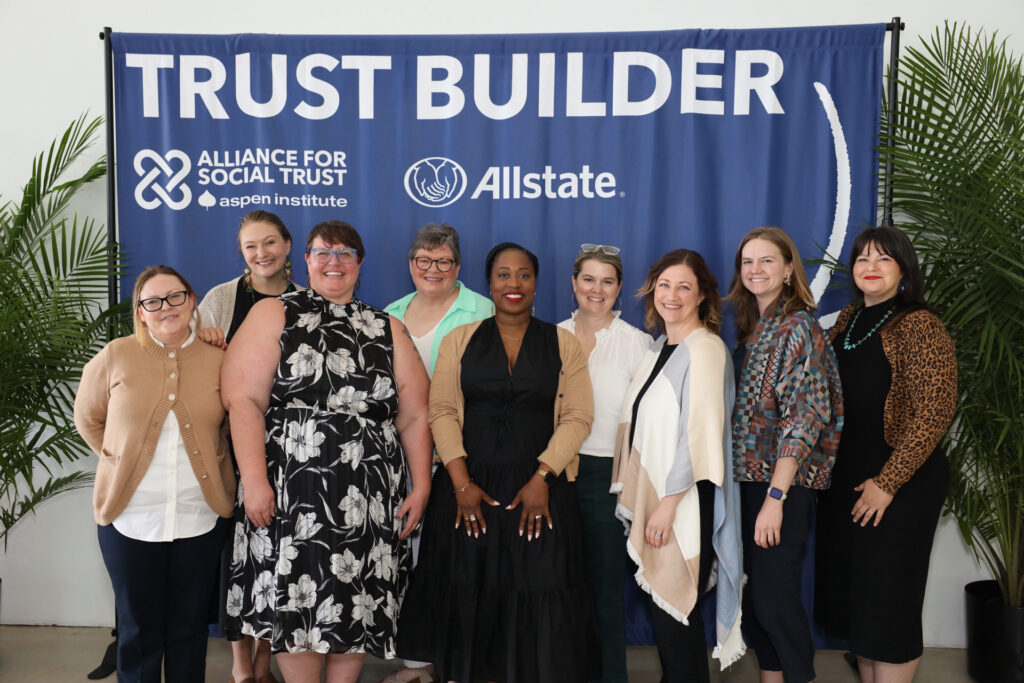
These collaborations reflect the vision that inspired the Trust in Practice Summit itself. When the Alliance for Social Trust, an initiative of the Aspen Institute and Allstate, launched the Summit last year, our goal was to convene people who believe that trust is not simply an outcome of strong communities and institutions, but the foundation that makes them possible. We also wanted to create a space for people who may not identify or see themselves as “trust-builders,” but whose very work is fundamentally rooted in building relationships, bridging divides, fostering belonging, and strengthening community—all essential elements of trust. We brought together practitioners, researchers, funders, civic leaders, and community builders who were actively working to strengthen trust across various sectors and communities.
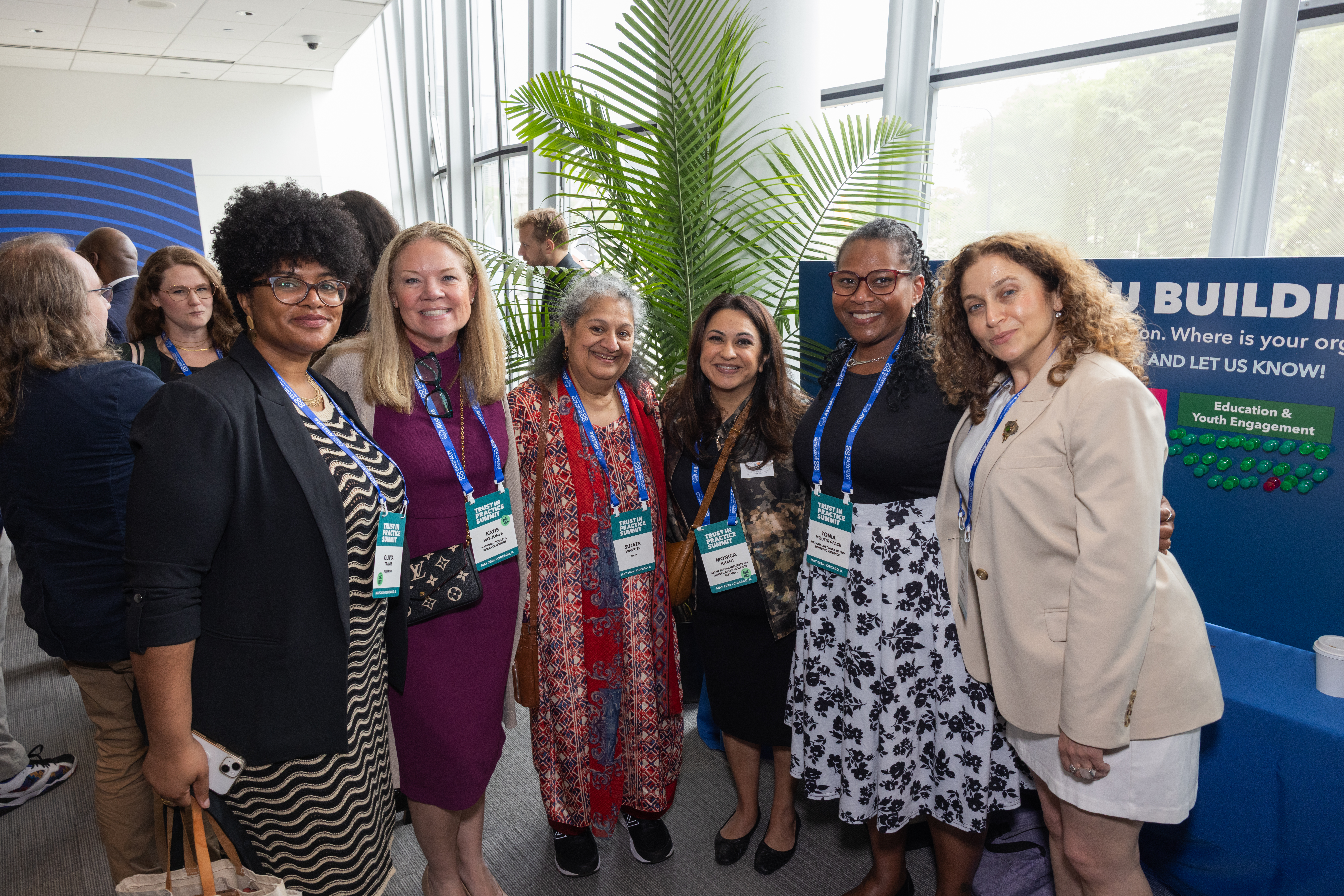
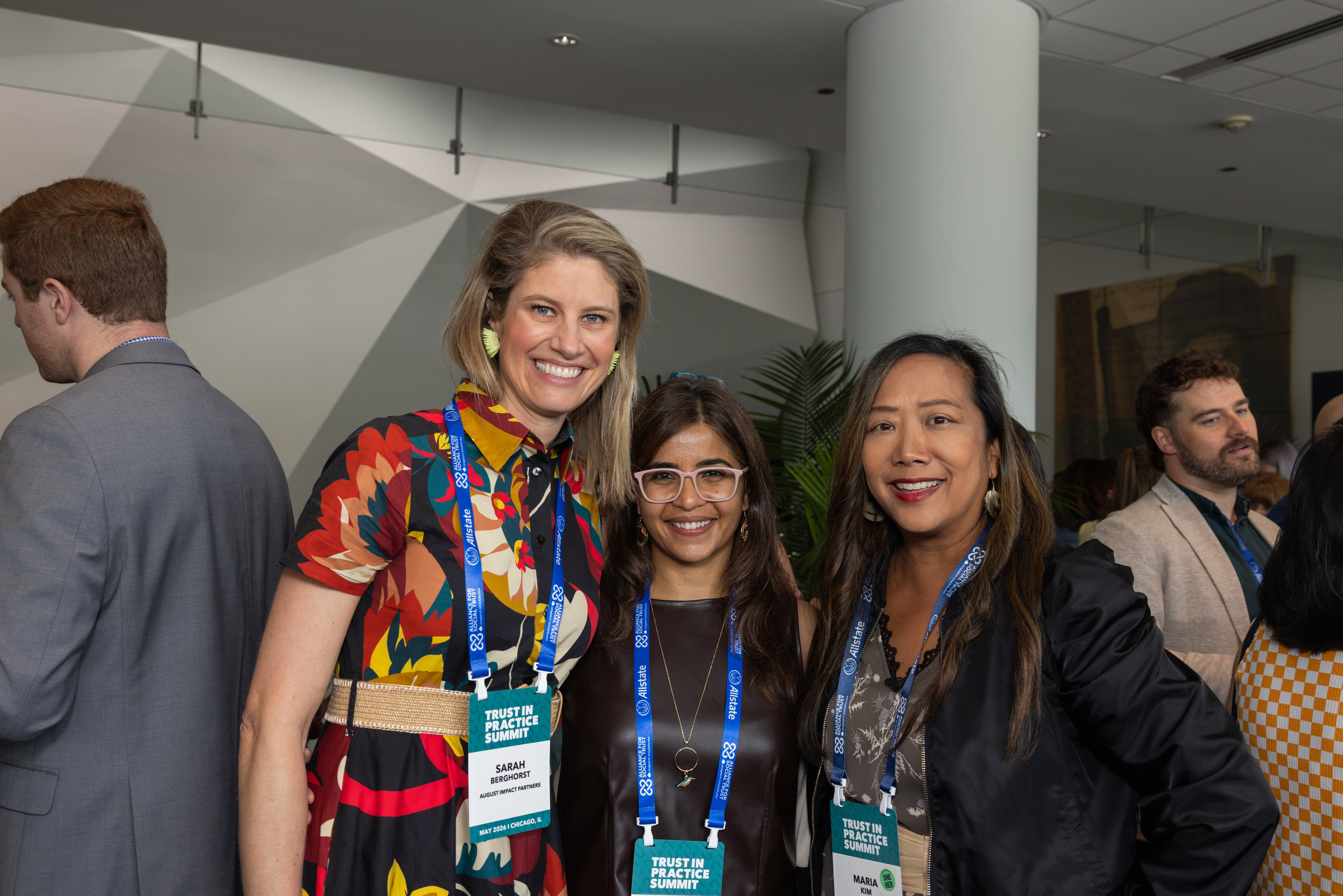
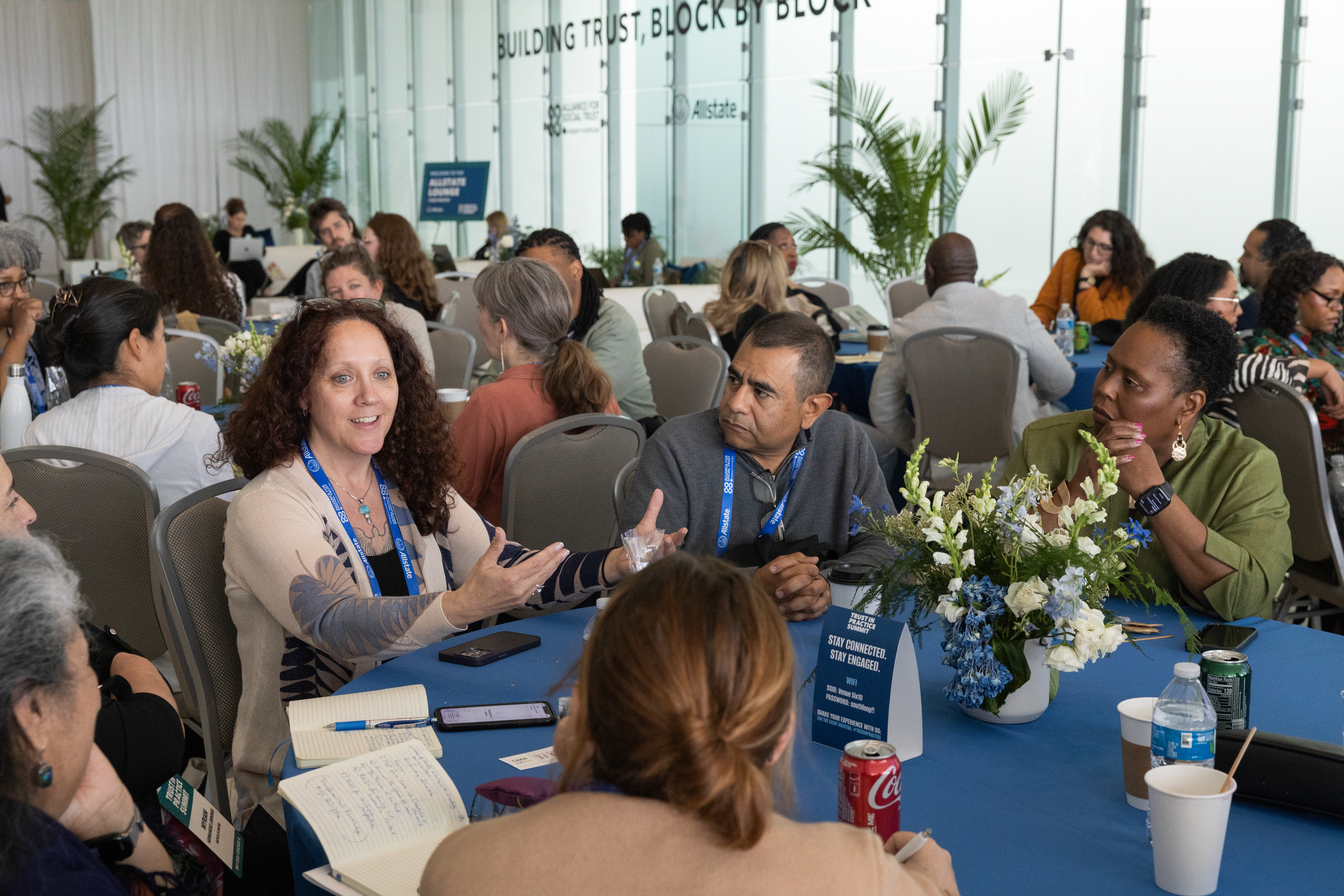
This year, we built on that foundation by bringing together nearly 300 leaders from across the country to deepen cross-sector collaboration, learn from promising models, and explore how trust-building initiatives can achieve greater scale and impact. From main stage panels to workshops to keynotes, our convening served as a space for hope and reflection. Our participants left with new relationships, practical strategies, and a shared sense of possibility for strengthening trust at scale.
Summit Highlights
We were privileged to welcome back Jenn White of 1A as the emcee of our day. My colleague, Frederick Riley of Weave: The Social Fabric Project, delivered the opening keynote grounding the day in the reminder that trust is cultivated through relationships, proximity, and connection. This coupled well with a later keynote from Bree Jones, Founder and CEO of Parity Homes, who emphasized the role of storytelling and community-led development in strengthening social connection.
Our opening plenary, “Trust in America: What the Data Says and What Communities Know,” moderated by Jenn White, brought together leaders from the Edelman Trust Institute, Lifespan Local, Weave, and the Brennan Center for Justice to connect national trends with the lived realities of communities on the ground.
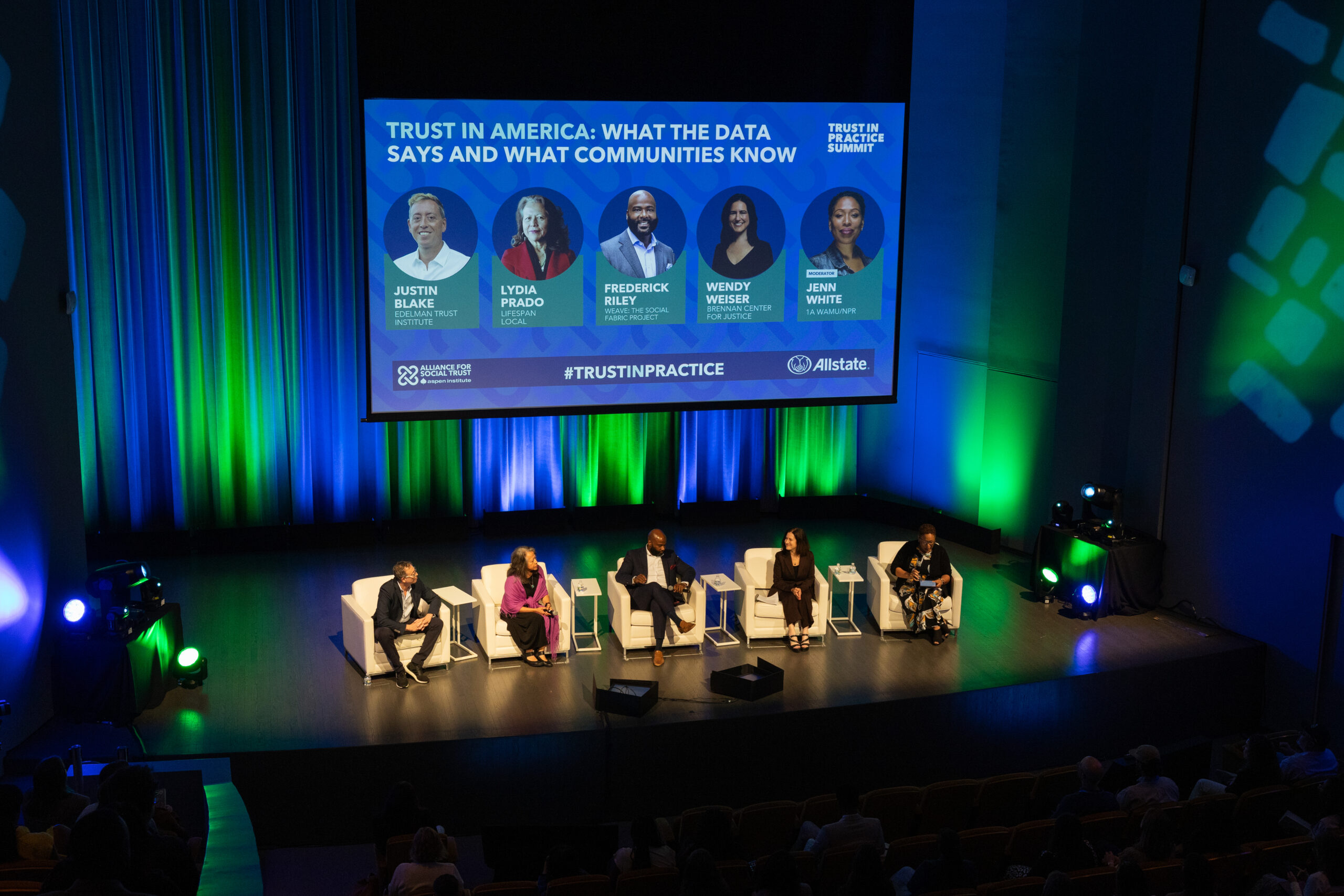
Weave: The Social Fabric Project; Wendy Weiser, Brennan Center for Justice; and Jenn White, 1A WAMU/NPR.
Our second morning panel moderated by Maria Hinojosa of Futuro Media explored “What Happens When People Stop Trusting Systems” and what it takes for journalism and storytelling to rebuild civic understanding. The conversation underscored the critical role of local media as a bridge between institutions and communities.
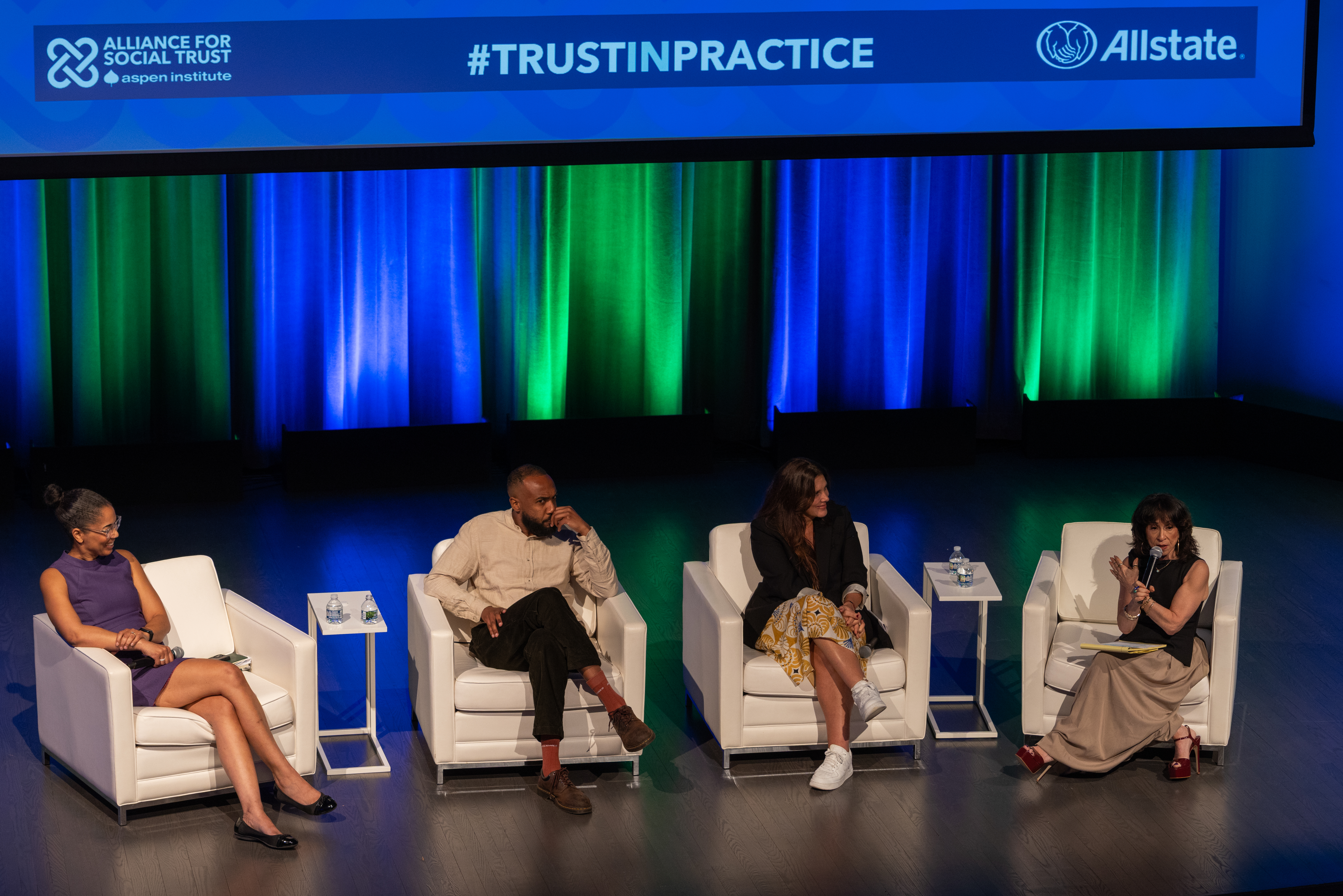
Laura Zommer, Factchequeado; Maria Hinojosa, Futuro Media.
Our closing panel, moderated by Vivian Schiller of Aspen Institute “Slow Work in a Fast World: The Pace and Price of Trust-Building” explored what meaningful trust-building requires and how funding structures can better support the relational work behind lasting change.
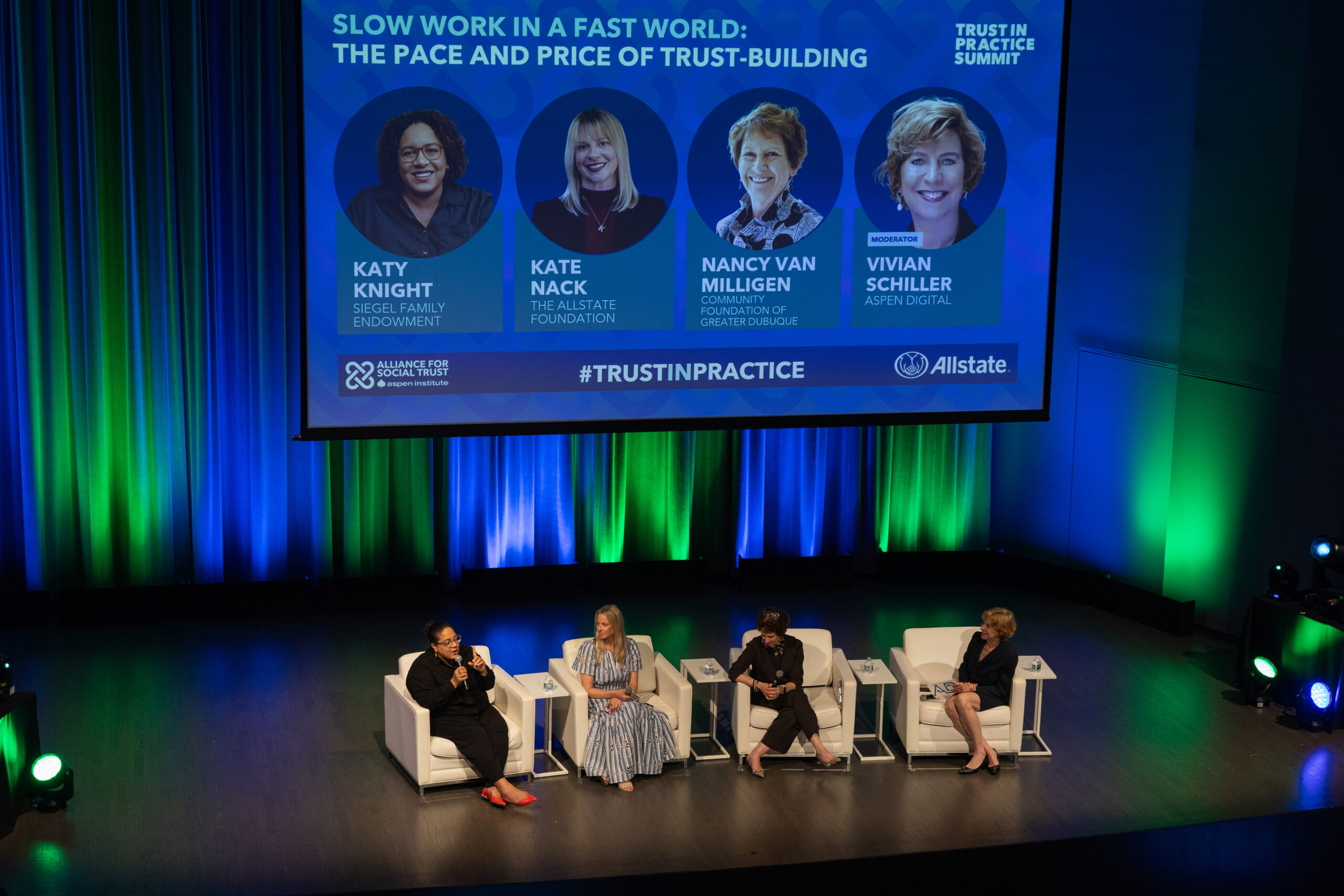
Nancy Van Milligen, Community Foundation of Greater Dubuque; Vivian Schiller, Aspen Digital.
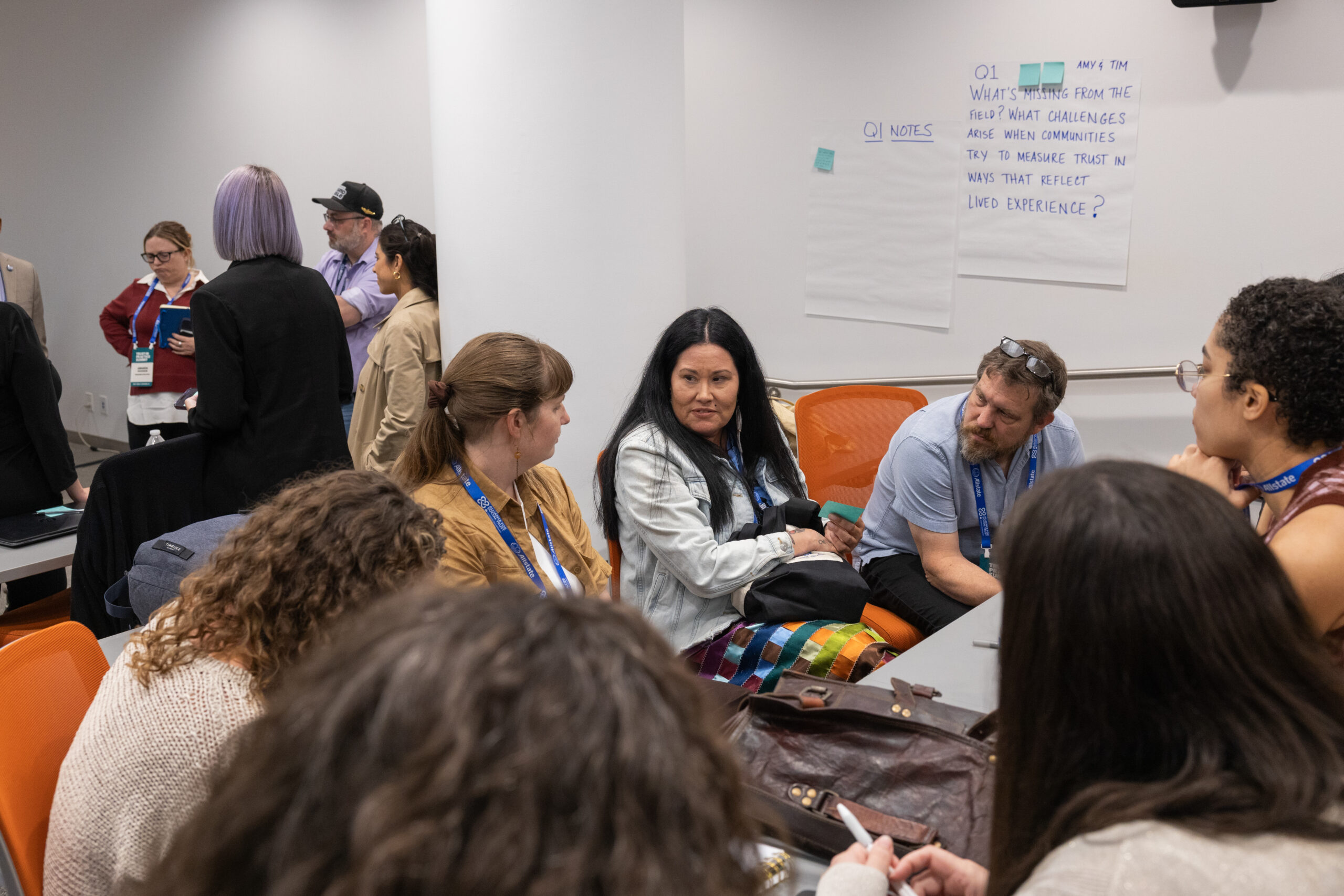
During our trust workshops, our attendees explored everything from community-driven approaches to defining and measuring trust, to youth insights on repairing trust across relationships and institutions, to strategies for building trust between corporations and communities, and understanding how to design institutions that are not only trustworthy but accountable.
The second day, we hosted a smaller, post-summit convening, designed exclusively for practitioners, to explore how community-driven trust-building initiatives can influence broader systems and policies.
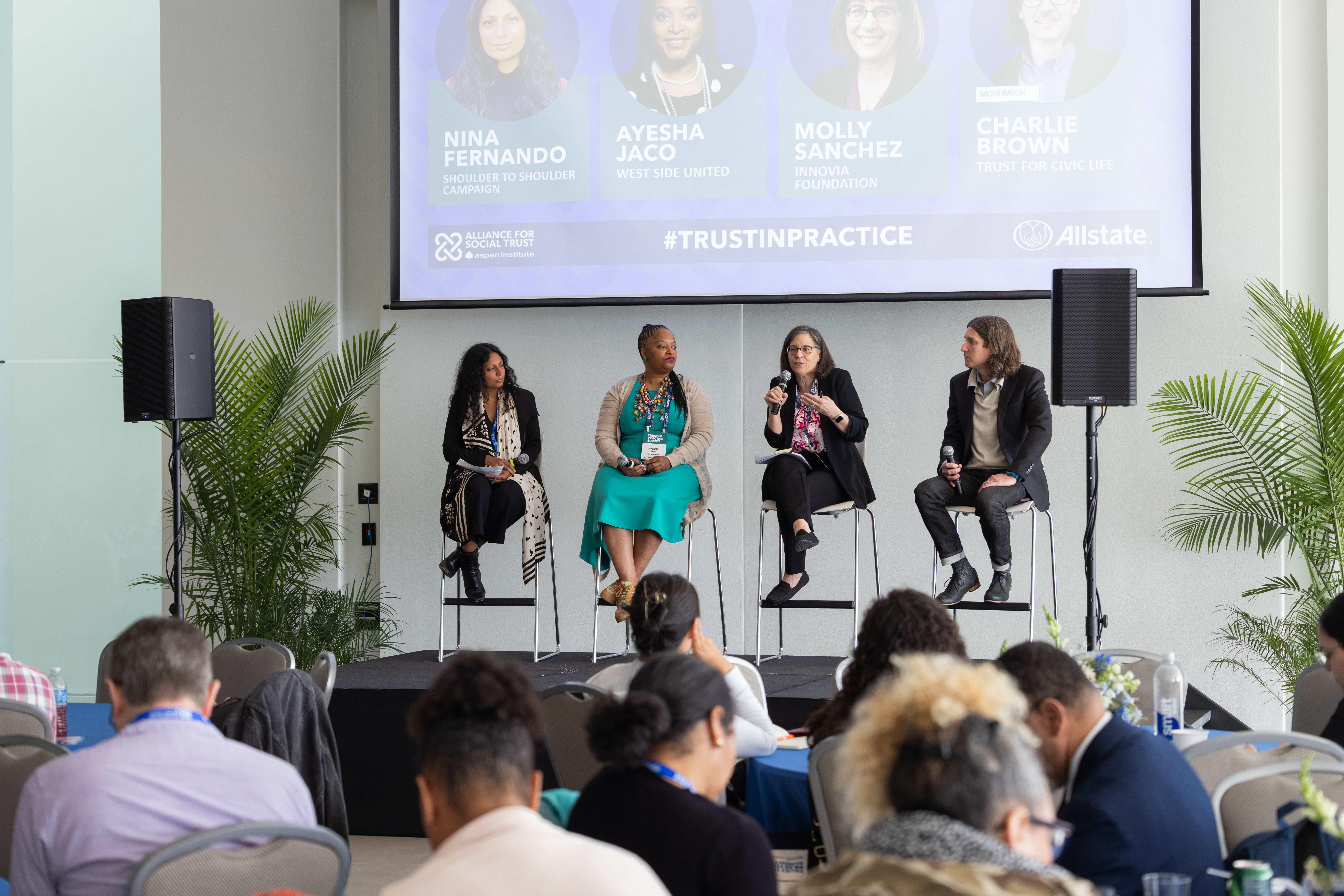
Molly Sanchez, Innovia Foundation; Charlie Brown, Trust for Civic Life.
Themes from the Summit
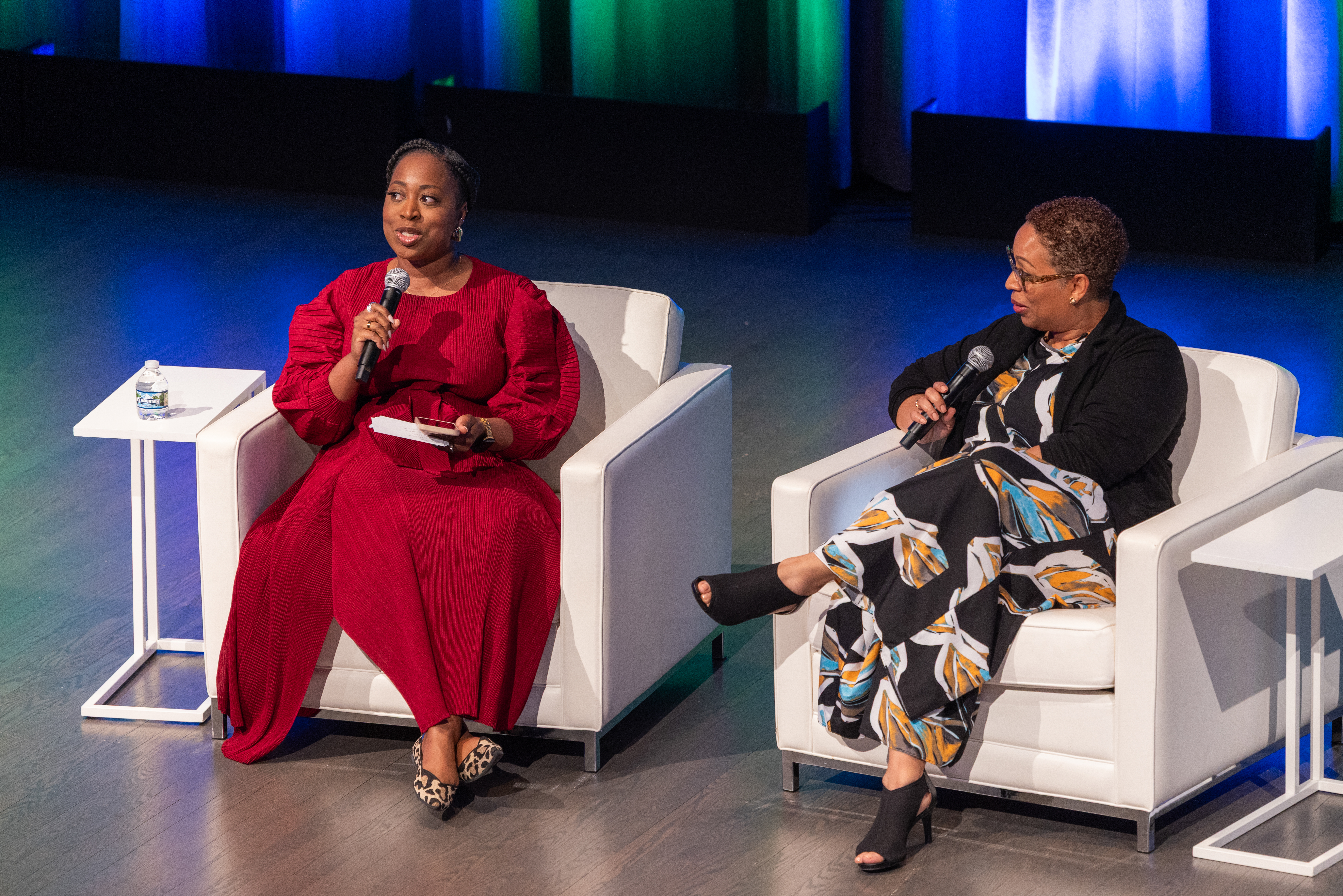
Every year, I have the opportunity to close the Summit in conversation with Jenn White, reflecting on the day’s discussions and exploring what hope and next steps might look like moving forward. As I continue to reflect on the Summit, I find myself returning to several themes that were not tied to any single session, but appeared across panels, breakout discussions, and informal conversations.
Themes that stood out to me:
- Trust is the foundation. It shapes how communities function, how institutions are experienced, and how people relate to one another. It’s the fuel we all need.
- Trust grows at the speed of relationships. It is cultivated through connection, belonging, and sustained human relationships.
- Trust is built with people, not for them. When institutions incorporate the voices and experiences of the people they serve, they become more responsive, relevant, and trusted. Trust follows when people feel seen, heard, and represented.
- Trust grows when communities are resourced to lead their own change. Elevating voices with vision but limited access to resources enables more grounded, inclusive solutions. From there, local leaders can engage neighbors in small civic actions that build momentum toward a shared, community-driven vision.
- Trust is difficult to measure. It is slow, messy, and non-linear. Traditional metrics often miss its relational nature, so progress must be understood in what is actually observable over time.
- Community wisdom is a critical source of trust-building insight. The most powerful insights and innovations are coming from neighborhoods themselves, where people are already building trust in practice. There are communities already showing us what it looks like to build, maintain, and restore trust in real time. It is essential that we recognize what communities already know and are already doing.
- Trust scales through shared learning. Communities face unique challenges, but they do not have to solve them alone, or start from scratch. When leaders exchange ideas, test proven approaches, and build on one another’s successes, they can strengthen and amplify their impact.
- Trust grows when we go first. When we extend it, we create the conditions for it to be returned, but we must be willing to give it first.
A Few Last Thoughts
Being in community with fellow trust-builders at the Trust in Practice Summit felt like a much-needed infusion of hope. It was deeply inspiring to gather with leaders from across the country who are doing the steady, often unglamorous and unnoticed work of strengthening trust in tangible and meaningful ways. Too often, their work happens quietly and with limited resources, despite their profound impact. My hope is that we can rally the support to recognize, invest in, and fund the organizations making trust possible.
Though we each arrive with different “whys,” our purpose is reinforced through shared imagination and the belief that what we are building matters, even in uncertainty. I was reminded that sustaining this work requires a collective imagination. When we come together around a shared vision, we can generate the momentum needed to move ideas into action.
The Alliance for Social Trust remains committed to supporting and advancing this work. Because this is how trust is built, together, over time, in practice.
To stay engaged with the Alliance for Social Trust and learn more about upcoming initiatives, resources, and opportunities to collaborate, visit Alliance for Social Trust or subscribe to our mailing list.